
More Option
Innovation in Modular Servo Driver: Redefining Motors Drives
BY: GALAXY
10 months ago
Innovation in one sector often serves as a powerful catalyst for change in another. We see it in aerospace technology influencing consumer goods and in cutting-edge automotive engineering setting new standards for performance and design. A similar transformation is happening right now in the world of industrial automation, driven by the rise of the Modular Servo Driver. This trend is not merely an incremental improvement; it is a fundamental rethinking of how we design, build, and scale sophisticated machinery, borrowing principles of high performance and intelligent design from the most advanced engineering fields.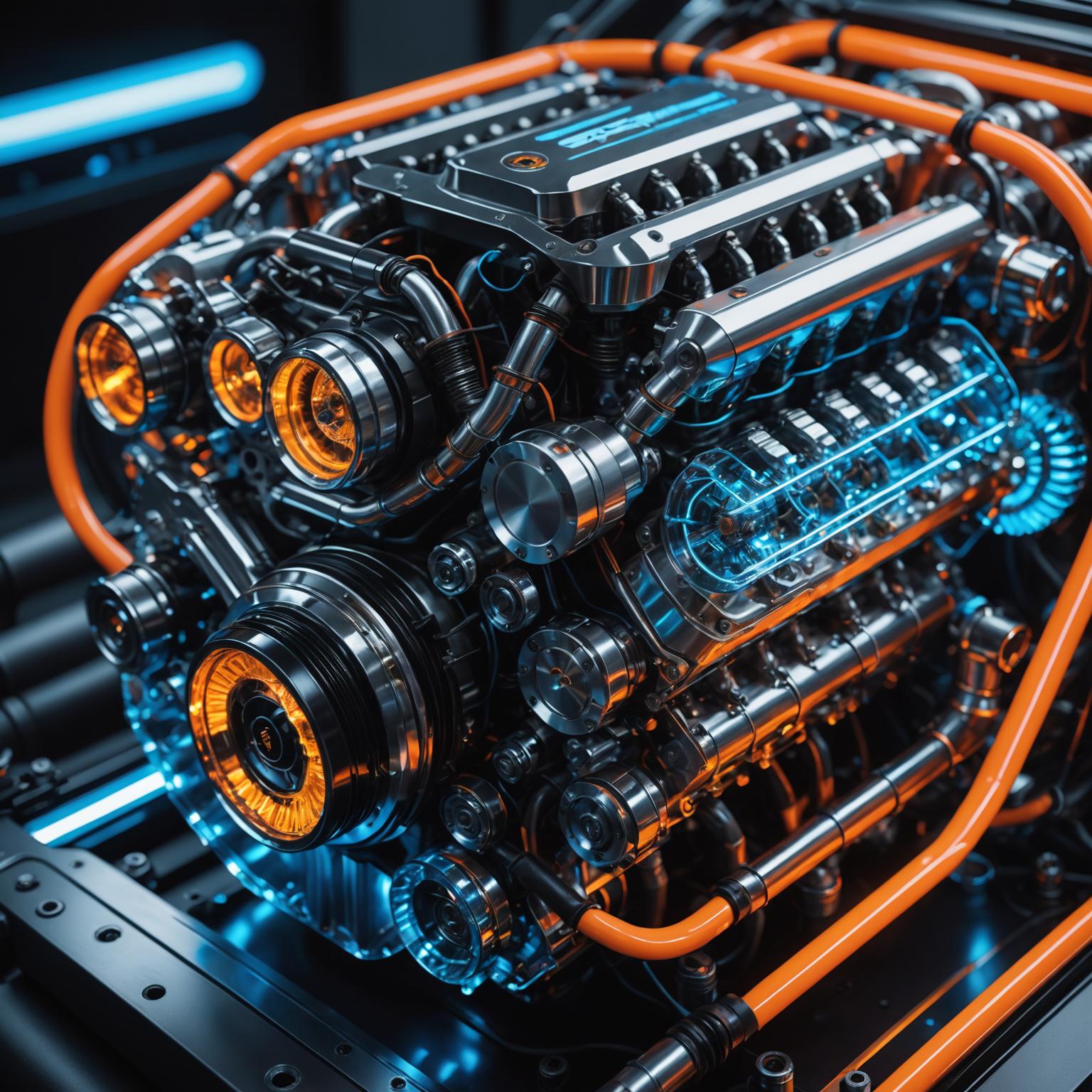
The Trend Towards Scalability and Customization
For years, the approach to a machine’s motion control system was largely monolithic. Engineers were often locked into using oversized, inflexible systems that occupied significant cabinet space and came with features they didn’t need. This is where the current trend diverges significantly, moving away from one-size-fits-all solutions. The new generation of Motors Drives embraces a modular philosophy, allowing for unprecedented customization. Much like a visionary engine designed with recyclable modular components for sustainability, these drive systems let engineers select and combine individual axis modules to create a perfectly tailored solution. This approach minimizes waste, reduces physical footprint, and ensures that the system is optimized precisely for the application’s demands, whether it’s a simple conveyor or a complex multi-axis robot.
Redefining Performance and Integration
In modern manufacturing and robotics, the demand for speed, precision, and efficiency has never been higher. This parallels the automotive world’s relentless pursuit of horsepower and instant torque. A state-of-the-art Modular Servo Driver is engineered to meet these challenges head-on. By decentralizing some of the control logic and utilizing high-speed communication backplanes, these systems achieve faster response times and more tightly synchronized movements across multiple axes. This level of integration ensures that complex motion profiles are executed with exceptional accuracy, reducing cycle times and improving the quality of the final product. The focus has shifted from raw power to intelligent power application, a cornerstone of today’s most advanced Motors Drives.
Intelligent Thermal Management and Reliability
As drive components become more powerful and compact, effective thermal management becomes critical to ensuring reliability and longevity. Drawing inspiration from advanced liquid cooling circuits seen in high-performance engines, the latest servo drives incorporate sophisticated thermal design. This isn’t just about adding a larger heatsink; it’s about intelligent heat dissipation. Trends include integrated temperature sensors that provide real-time feedback, optimized airflow designs, and even shared cooling solutions in a multi-axis setup. This proactive approach to thermal management allows the drives to operate at peak efficiency under demanding conditions, preventing failures and extending the life of the entire automation system. This focus on durability and intelligent self-regulation is what truly marks the next evolution in machine control, ensuring the future of automation is not only powerful but also incredibly robust.




Home
Center